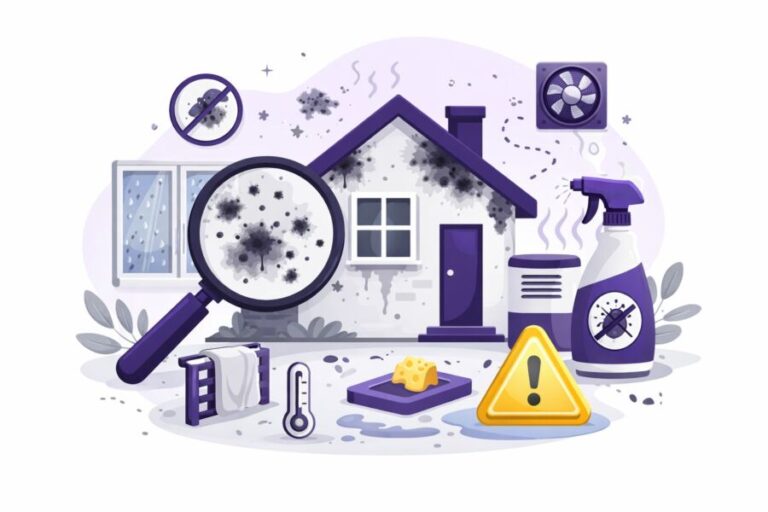
Damp and mould in Cardiff properties are often caused by condensation, poor ventilation or excess moisture. This is particularly common in shared houses, flats and older buildings.
Typical causes include:
• drying clothes indoors without ventilation
• lack of heating or inconsistent heating
• blocked or unused extractor fans
• poor insulation or cold surfaces
• everyday activities such as cooking and showering
Understanding these causes can help prevent mould forming in your home.
Managing damp and mould in Cardiff rental homes requires consistent heating and ventilation.
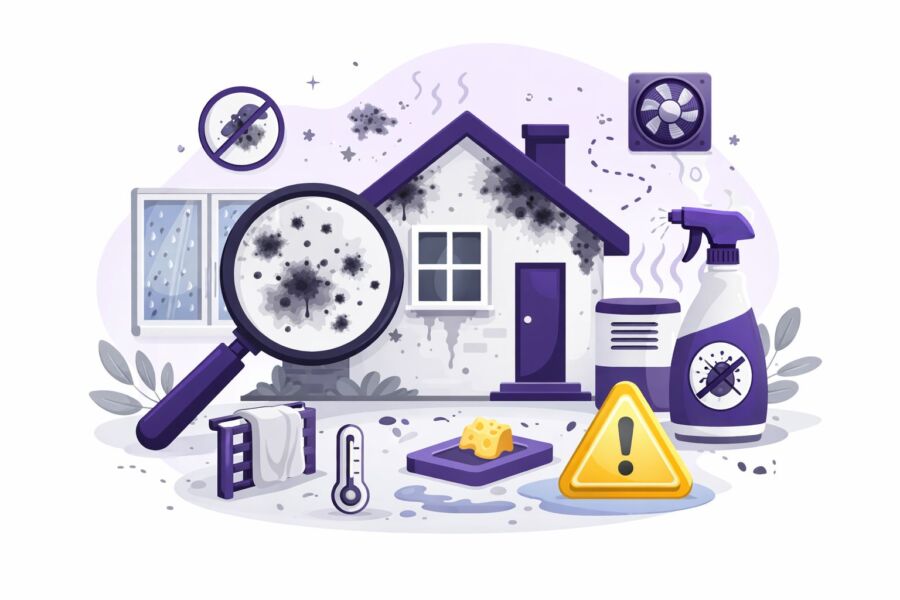
Damp and mould can appear in different ways, including black mould on walls or ceilings, condensation on windows, musty smells, peeling paint, or damp patches. Condensation is the most common cause and is usually linked to moisture from cooking, showering, and drying clothes indoors.
Most condensation and mould issues can be improved by increasing ventilation and maintaining steady heating. Opening windows regularly, using extractor fans, wiping down condensation, and keeping furniture slightly away from walls will help reduce moisture and prevent mould from forming.
Condensation is usually caused by everyday activities such as cooking, showering, and drying clothes indoors, especially where ventilation is limited. Cold surfaces and inconsistent heating can make the issue worse by allowing moisture to settle and remain on walls, windows, and ceilings.
You should contact us if damp or mould is severe, persistent, or not improving after following the steps above. Issues such as leaks, penetrating damp, defective ventilation, or problems that were present at the start of your tenancy should also be reported.
Damp and mould issues are common in Cardiff rental properties, especially in shared accommodation and older housing stock. Managing moisture and ventilation is key to preventing long-term problems.
If damp is caused by structural issues, such as leaks or defects, it should be reported to your landlord as soon as possible.
The best way to prevent condensation and mould is to reduce moisture in the air and allow fresh air to circulate throughout the property. Opening windows regularly, keeping trickle vents open where fitted, and using extractor fans in kitchens and bathrooms will help remove damp air before it settles on walls and windows.
Steady background heating is also important. Turning the heating on and off for short periods can make condensation worse, as warm moist air quickly cools on cold surfaces. Keeping rooms at a consistent temperature helps walls stay warmer and reduces the chance of mould forming.
Moisture levels often rise quickly during normal daily activities. Cooking with pan lids on, keeping kitchen and bathroom doors closed when creating steam, and wiping down wet surfaces after use will all help reduce excess condensation
If you dry clothes indoors, try to do so in a well-ventilated room with a window open or extractor fan running. Avoid drying washing directly on radiators where possible, as this can release large amounts of moisture into the air and make mould problems worse.
Furniture should not be pushed tightly against external walls, as still air trapped behind wardrobes, beds and sofas can encourage mould growth. Leaving a small gap helps air circulate and makes it easier to spot problems early.
Condensation usually appears on windows, window sills and other cold surfaces, especially in the morning or after cooking and showering. This is a sign that there is too much moisture in the air and not enough ventilation.
Black mould often appears in corners of rooms, around windows, behind furniture, or on ceilings in kitchens and bathrooms. It is commonly linked to condensation and poor airflow rather than a building defect, particularly where warm moist air is not being removed properly.
Mould can develop in hidden areas where air cannot circulate freely, such as behind wardrobes, beds, sofas, or heavy curtains placed against outside walls. Moving furniture slightly away from walls and improving ventilation can help prevent this.
Cooking, boiling kettles, showering and bathing all create large amounts of moisture very quickly. If extractor fans are not used, windows stay closed, or doors are left open allowing steam to travel through the property, condensation can spread into colder rooms and settle there.
Drying washing inside the property is one of the most common causes of excess moisture. If clothes must be dried indoors, it should be done in a room with good ventilation and heat, with the door closed and a window open where possible.
Not all damp is caused by condensation. Damp patches that remain in one area, staining, water ingress, leaks, or signs of damage around walls, ceilings, gutters or pipework may indicate a structural or maintenance issue and should be reported to us.
In most cases, condensation and mould during the tenancy are linked to everyday living conditions such as heating, ventilation, cooking, bathing and drying clothes indoors. Tenants are expected to take reasonable steps to manage moisture within the property, including opening windows, using extractor fans, keeping trickle vents open, and maintaining suitable background heating.
Where mould or condensation is found to be caused by day-to-day living conditions rather than a defect in the property, treatment or contractor visit costs may be chargeable. If you believe the issue is being caused by a leak, water ingress, broken ventilation, or another fault with the building, please report this to us as soon as possible.
See our heating and boiler advice to help reduce moisture in your home.If you have followed the guidance above and the problem is still continuing, please report it to us with as much detail as possible. Include where the damp or mould is located, how long it has been present, whether it appears after cooking, showering or drying clothes, and upload photos if you can.
Please also let us know if you believe the issue may be linked to a leak, defective ventilation, penetrating damp, or another maintenance problem. The more information you provide, the easier it will be for us to assess the issue and respond appropriately.
If you are unsure whether an issue is your responsibility or requires landlord action, these organisations can provide further guidance.